January 12, 2010 marked a turning point—not only for Haiti, but for how the world thinks about emergency communications.
At 16:53 local time, a magnitude 7.0 earthquake struck near Port‑au‑Prince. In less than a minute, entire neighborhoods collapsed. Hospitals, ministries, schools, and homes were destroyed. But alongside the physical devastation, another collapse proved just as deadly: Haiti’s communications infrastructure.
When communication disappears, coordination collapses
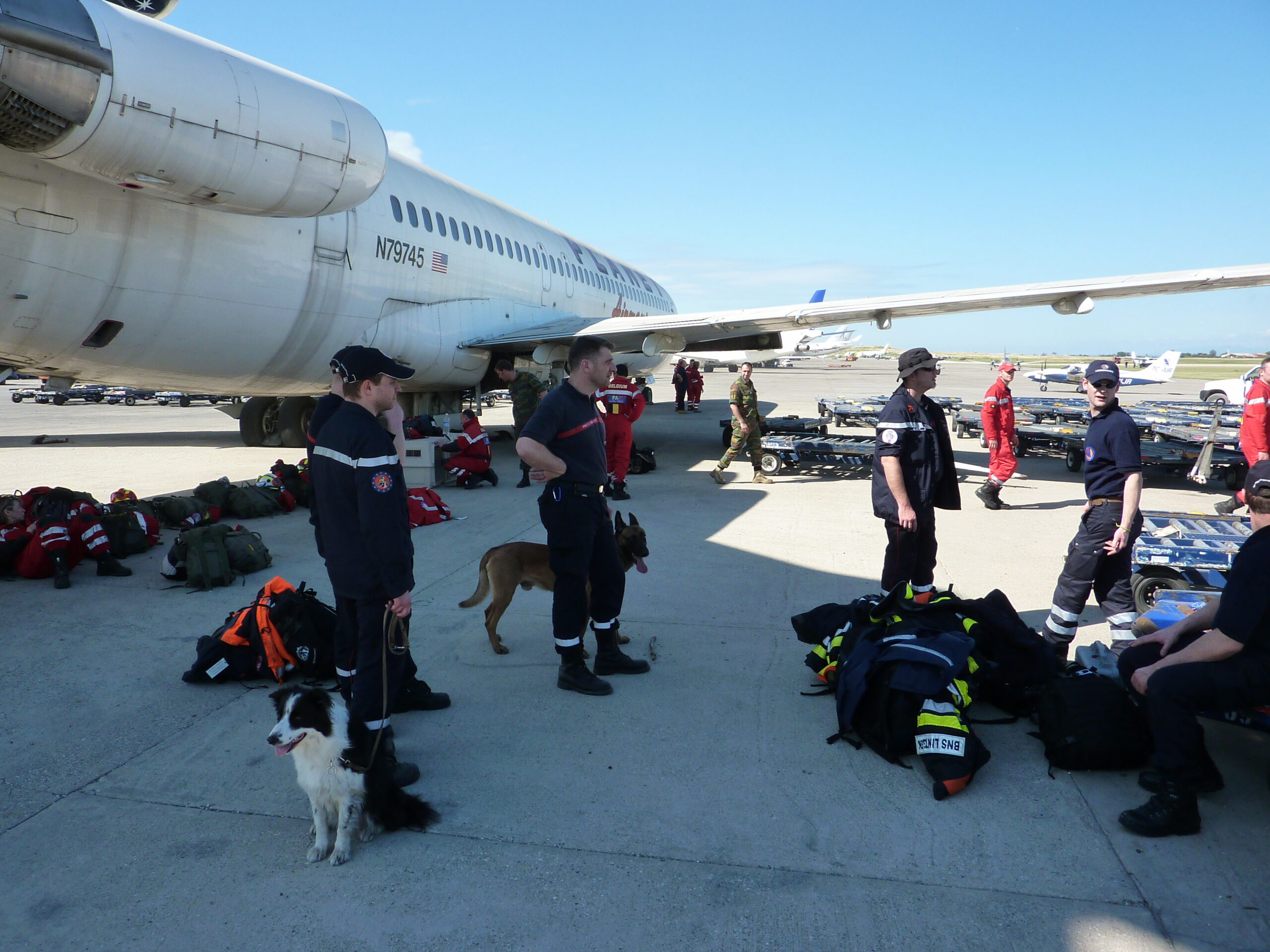
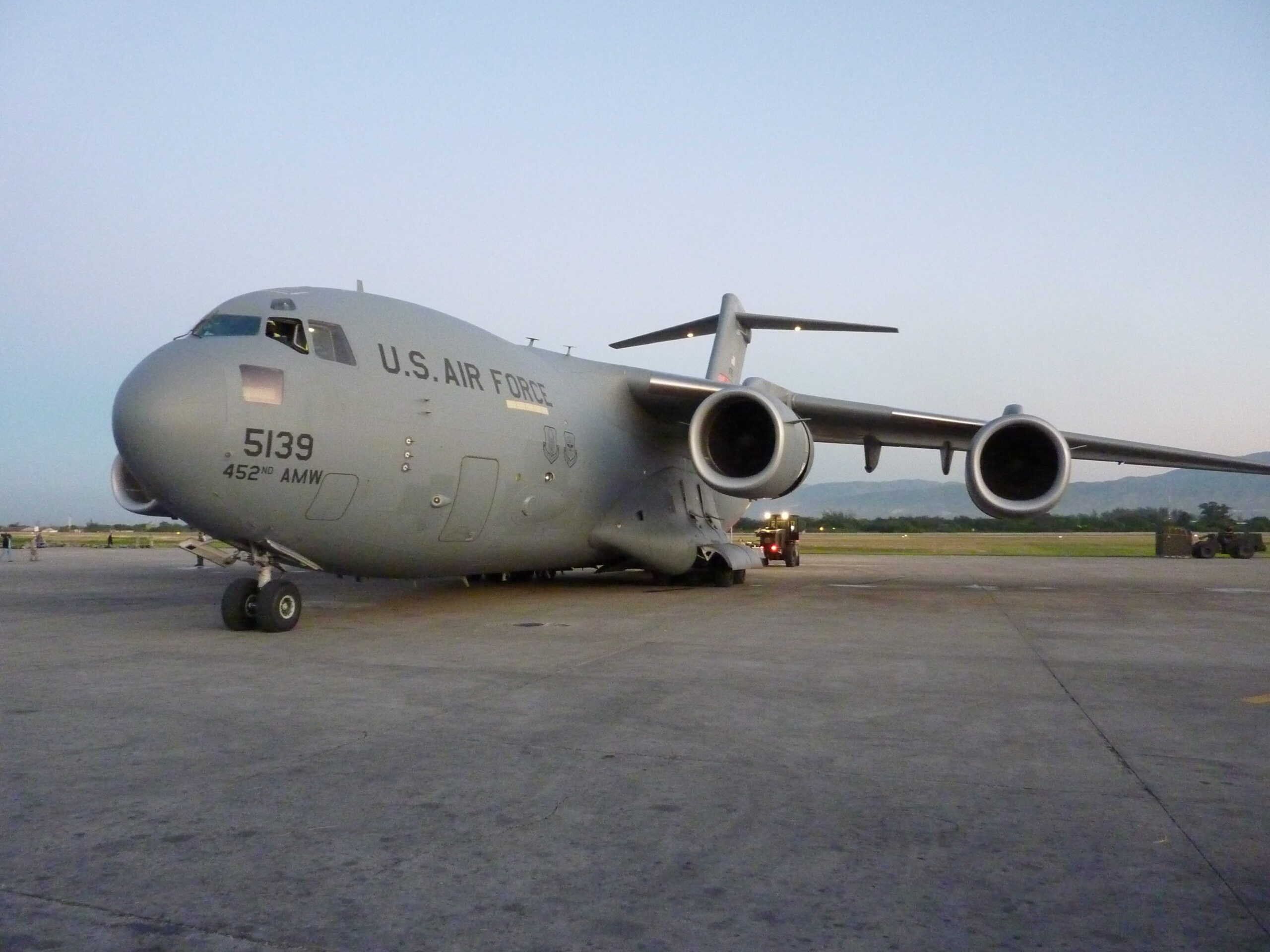
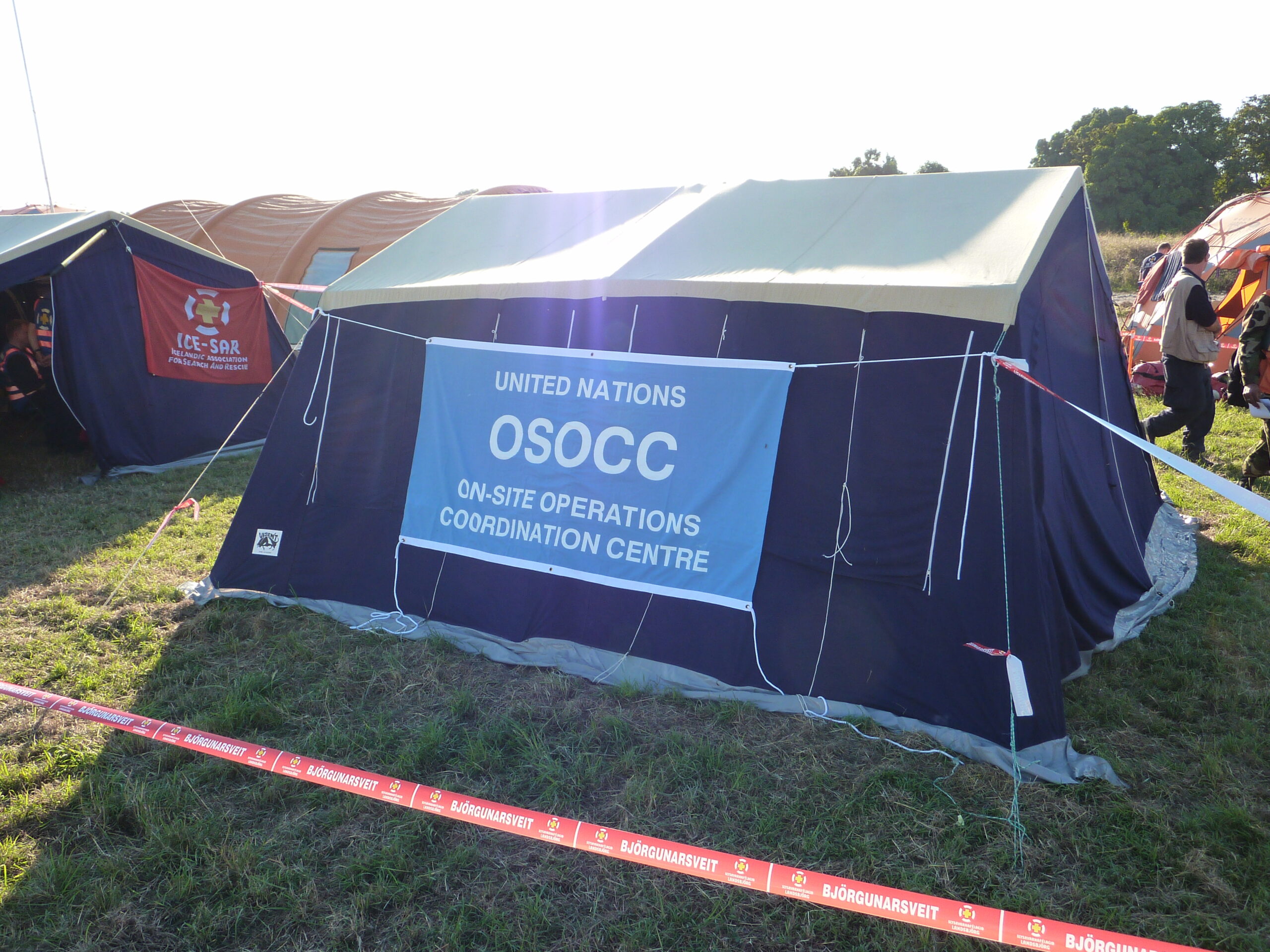
Cell towers toppled or lost power. Landlines failed. The few networks that survived were instantly overwhelmed. Within hours, Haiti was facing a near‑total communications blackout. As international aid poured in, a critical problem emerged: aid couldn’t talk to aid. National authorities struggled to relay priorities. International rescue teams couldn’t coordinate effectively. Medical units lacked timely situational updates. Logistics and supply chains operated blindly.
Information was fragmented, delayed, and often contradictory. In the crucial first hours and days—when minutes can mean the difference between life and death—situational awareness was dangerously limited.
Lives were lost in silence
The lack of reliable communications slowed search‑and‑rescue operations, led to duplicated efforts in some areas and neglect in others, and delayed life‑saving medical and humanitarian decisions. Teams worked with courage and dedication, but without a shared operational picture, the response could not move as fast or as effectively as needed.
Haiti 2010 exposed a hard truth: Emergency satellite communications are not a backup. They are lifesaving infrastructure.
Satellite communications uniquely provide what disasters often destroy:
- Independence from local infrastructure
- Immediate voice and internet connectivity
- Rapid restoration of situational awareness
- Secure communication for authorities and responders
- Coordination across borders, organizations, and sectors
In direct response to the lessons learned from Haiti, the Luxembourg Government decided in 2011 to create a solution specifically designed for humanitarian crises: a rapid, highly deployable, mobile satellite communications capability that could be ready anywhere, anytime.
On 1 January 2012, that vision became reality.
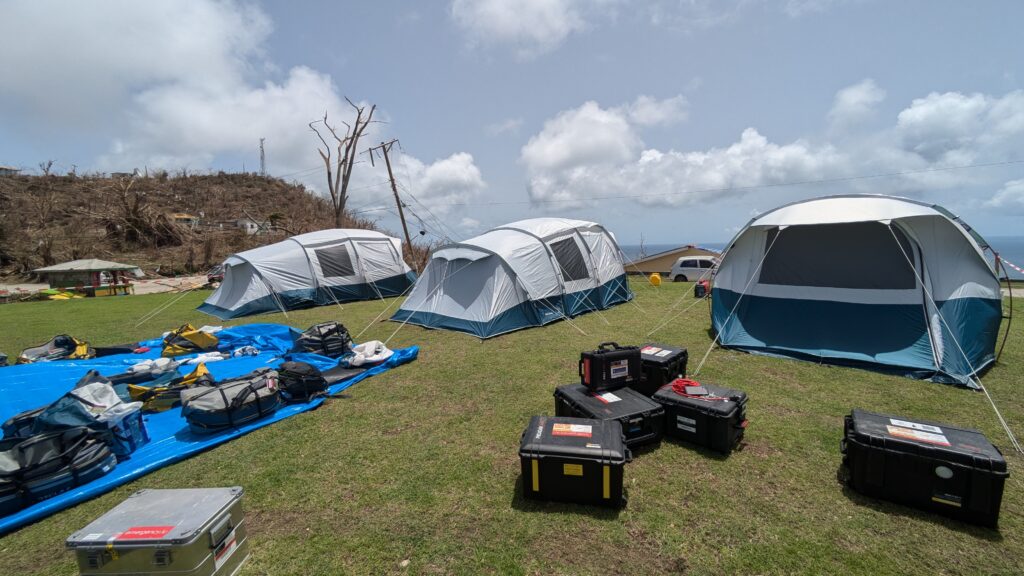
emergency.lu became operational as a global emergency telecommunications platform, designed to be deployed within hours to disaster zones where communications are absent, damaged, or overloaded.
Its development was carried out in close cooperation with the World Food Programme (WFP) in its role as lead agency of the Emergency Telecommunications Cluster (ETC), ensuring the solution matched real operational needs in the field.
On the ground, emergency.lu deployments are supported by the Luxembourg Fire and Rescue Corps (CGDIS) through its Humanitarian Intervention Team (HIT) (formerly the Rescue Services Agency). These specialists are responsible for:
Since becoming operational, emergency.lu has been deployed worldwide, helping restore communications after earthquakes, hurricanes, floods, conflicts, and other crises—often becoming the first reliable digital lifeline in devastated areas.
The Haiti earthquake of 2010 was a tragedy measured in loss. But it also reshaped global understanding of what disaster response truly requires.
Today, because of those lessons:
- Connectivity is recognized as a core humanitarian need
- Communications are planned as infrastructure, not afterthoughts
- Lives are saved because responders can connect, coordinate, and act
emergency.lu stands as proof that learning from tragedy can build resilience—and that when everything else fails, communication must not.