In September 2023, the long‑standing conflict between Armenia and Azerbaijan over Nagorno‑Karabakh escalated dramatically when Azerbaijani forces launched a large‑scale offensive on 19–20 September. Within 24 hours, Armenian forces in the region were defeated, leading to the collapse of the self‑declared authorities and the restoration of Azerbaijani control.
The offensive followed months of blockade of the Lachin Corridor—the only road linking Nagorno‑Karabakh to Armenia—which had already triggered severe shortages of food, medicine, and fuel.
In the aftermath, more than 100,000 ethnic Armenians fled the region to Armenia in one of the largest sudden displacements in the South Caucasus in decades.
The Fuel Depot Explosion and Mass Casualties
Amid the chaotic mass exodus, a catastrophic explosion occurred on 25 September 2023 at a fuel depot near Stepanakert. Hundreds of civilians had gathered at the site to obtain fuel for their vehicles as they attempted to flee the region.
The blast and subsequent fire caused extremely high casualties, killing at least dozens—and ultimately over 200 people—while leaving hundreds more injured, many with severe burn trauma.
Local medical facilities were rapidly overwhelmed, with hospitals lacking sufficient supplies, infrastructure, and specialised burn‑care capacity to treat the large number of critically injured patients.
Urgent Need for Medical Evacuation
In response to the scale of the disaster, Armenian authorities and international partners initiated emergency medical evacuation operations to transfer critically injured patients to facilities capable of providing specialised treatment. Many of those affected required advanced burn care, intensive care support, and long‑term rehabilitation—services not available locally under the strained conditions.
International Support and Evacuation Operations
Within the UCPM framework, the evacuation of burn patients from Armenia required complex multi‑stakeholder coordination. The ERCC played a central role in matching needs with available offers, ensuring efficient allocation of patients to hospitals with adequate burn‑care capacity.
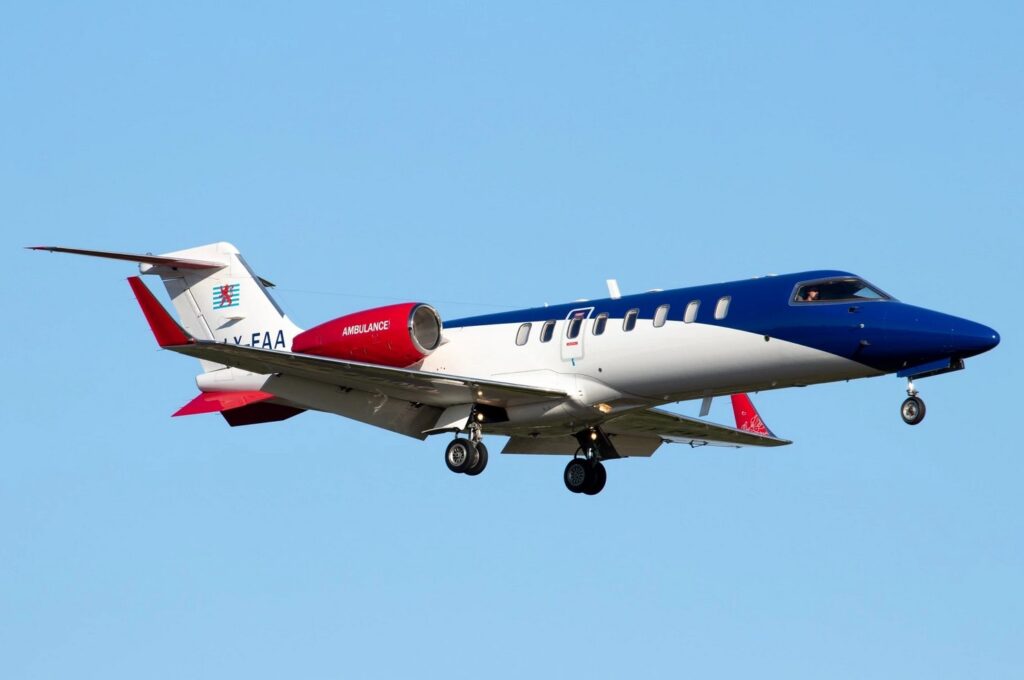
As part of this collective effort, Luxembourg contributed through the Luxembourg Air Ambulance, which conducted four medical evacuation flights using a Learjet 45XR between Yerevan and Madrid. These missions enabled the transfer of critically burned patients to specialised treatment facilities in Spain, where advanced burn care and intensive medical support were available.