In support of the Capacity for Disaster Reduction Initiative (CADRI), the United Nations Disaster Assessment and Coordination (UNDAC) mechanism provided operational and technical support to a national capacity diagnosis mission in Djibouti. The objective was to facilitate a consolidated analysis of national and local capacities to manage climate and disaster risks and to translate identified gaps into concrete, actionable recommendations supported by an implementation‑focused action plan.
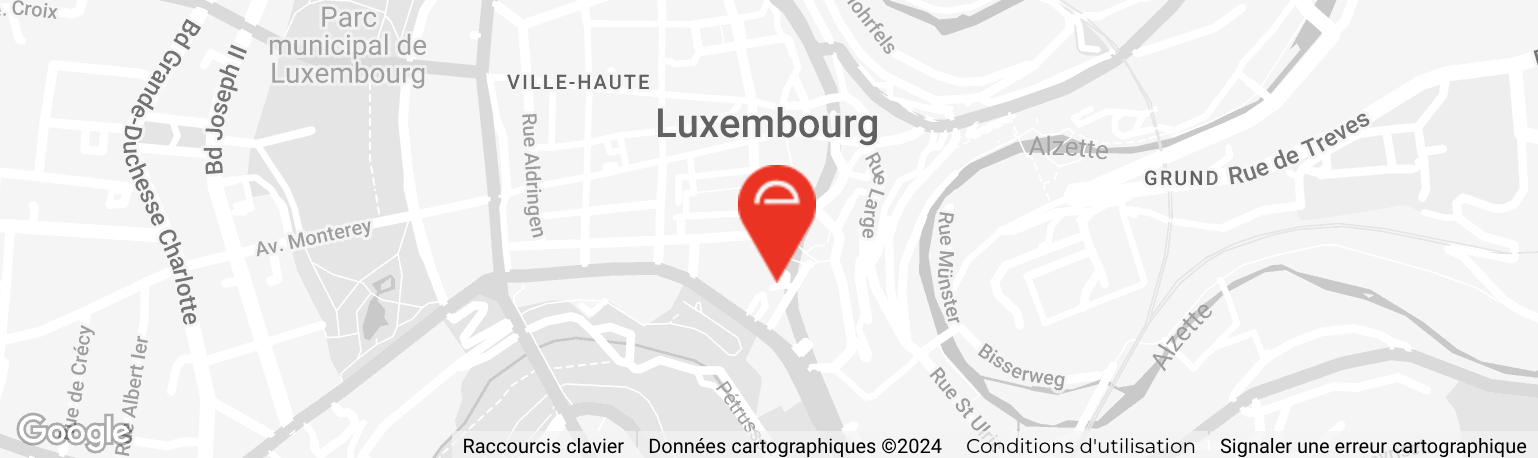
Luxembourg’s Contribution to the UNDAC Mission
As part of this effort, Luxembourg deployed one of its national UNDAC roster members to support the CADRI mission. The expert contributed operational coordination experience, disaster risk management analysis, and facilitation support throughout the assessment process, working closely with CADRI partners, national authorities, and UN counterparts.
Djibouti’s Risk Profile and Vulnerabilities
Djibouti faces a highly complex and evolving risk environment. The country is exposed to extreme weather events such as floods, droughts, and heat waves, compounded by climate change projections indicating rising temperatures and increasingly irregular rainfall. Water scarcity is a critical concern, with Djibouti having reached the threshold of extreme water shortage. Competition over limited water resources affects agriculture, livestock, and domestic consumption, heightening social and economic vulnerability.
In addition to climate-related hazards, Djibouti is exposed to significant geophysical risks. Its location at the intersection of three tectonic plates makes earthquakes frequent, with particularly high risk in the densely populated Djibouti City, where socio‑economic assets are heavily concentrated. Environmental pollution and technological risks linked to port activities, including explosions and marine pollution, further compound the country’s overall risk profile.
Supporting the Capacity Diagnosis Process
UNDAC support focused on strengthening the operational quality of the CADRI capacity diagnosis by facilitating inclusive consultations with government institutions, line ministries, technical agencies, local authorities, UN organizations, and non‑governmental partners. The mission helped map institutional arrangements, coordination mechanisms, early warning systems, preparedness and response capacities, and disaster risk reduction efforts across key socio‑economic sectors.
Special attention was paid to identifying systemic strengths, bottlenecks, and interdependencies, including the cascading effects of water scarcity, environmental degradation, and urban concentration of risk. The analysis aimed to ensure that findings were evidence‑based, operationally grounded, and aligned with national priorities.
Informing Strategy, Action Planning, and Investment
The UNDAC‑supported CADRI process contributed directly to ongoing efforts to review and operationalize Djibouti’s national disaster risk management strategy. The resulting recommendations and action plan are intended to guide policy decisions, programmatic interventions, and investments in early warning, preparedness, response, and disaster risk reduction.