In March 2026, the Government of the Republic of Moldova requested assistance through the European Union Civil Protection Mechanism (UCPM) following the detection of a discharge of polluting substances in the upstream sector of the Dniester River—one of the country’s most critical freshwater resources. The Dniester provides drinking water to a large portion of Moldova’s population, supports irrigation and industry, and sustains important aquatic ecosystems across the region.
Background to the pollution incident
The pollution was reported upstream of Moldovan territory, in a river basin that spans Ukraine and Moldova, and occurred amid the broader instability caused by the war in Ukraine. In recent years, the Dniester basin has faced heightened environmental risks linked to industrial activity, damaged infrastructure, disrupted monitoring systems, and limited access to maintenance and environmental safeguards in conflict‑affected areas. Any accidental release from industrial facilities, storage sites, or wastewater systems upstream can rapidly affect downstream countries, given the river’s transboundary nature.
While investigations into the exact origin and composition of the pollutant were ongoing, the incident raised immediate concerns about water‑supply security, aquatic life, and public health. Even short‑term contamination can force the shutdown of water intakes, disrupt treatment processes, and threaten ecosystems that are already under stress.
National response and request for European support
Moldovan authorities activated emergency response measures, intensifying water‑quality monitoring along the river and assessing potential impacts on drinking‑water systems and downstream communities. Given the scale of the river and the technical demands of pollution response on surface waters, national capabilities needed to be reinforced.
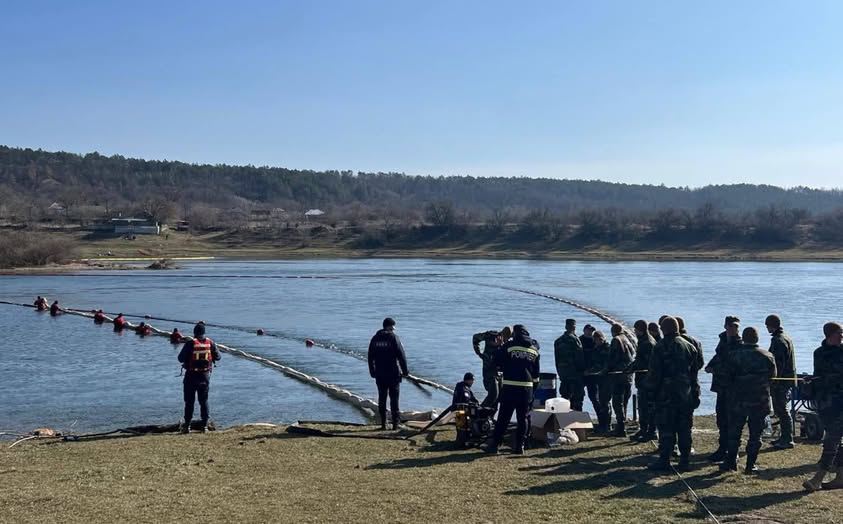
Moldova formally requested assistance from European partners under the UCPM. The request focused on specialized equipment necessary to support pollution containment, dilution, and mitigation measures, including power systems capable of ensuring uninterrupted operation of pumps, aeration devices, and other water‑protection tools deployed along affected sections of the river.
Luxembourg’s contribution through the UCPM
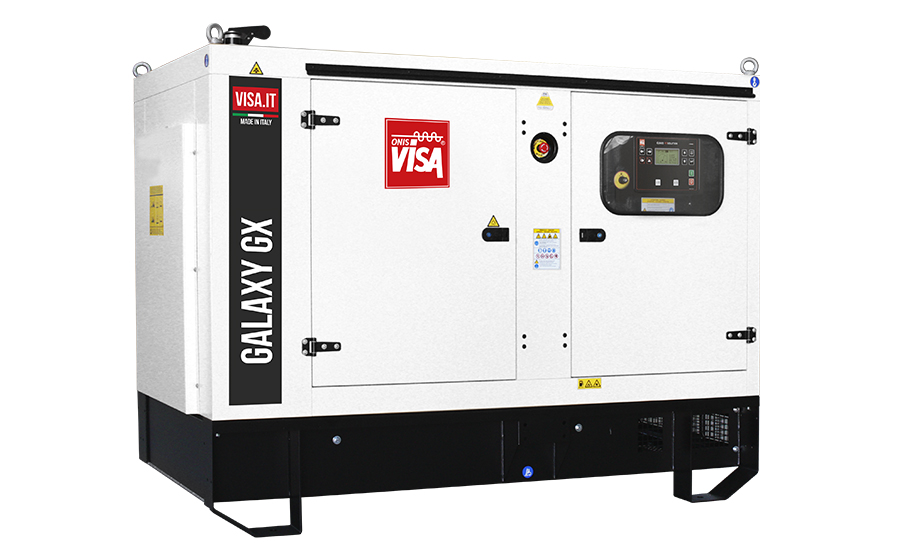
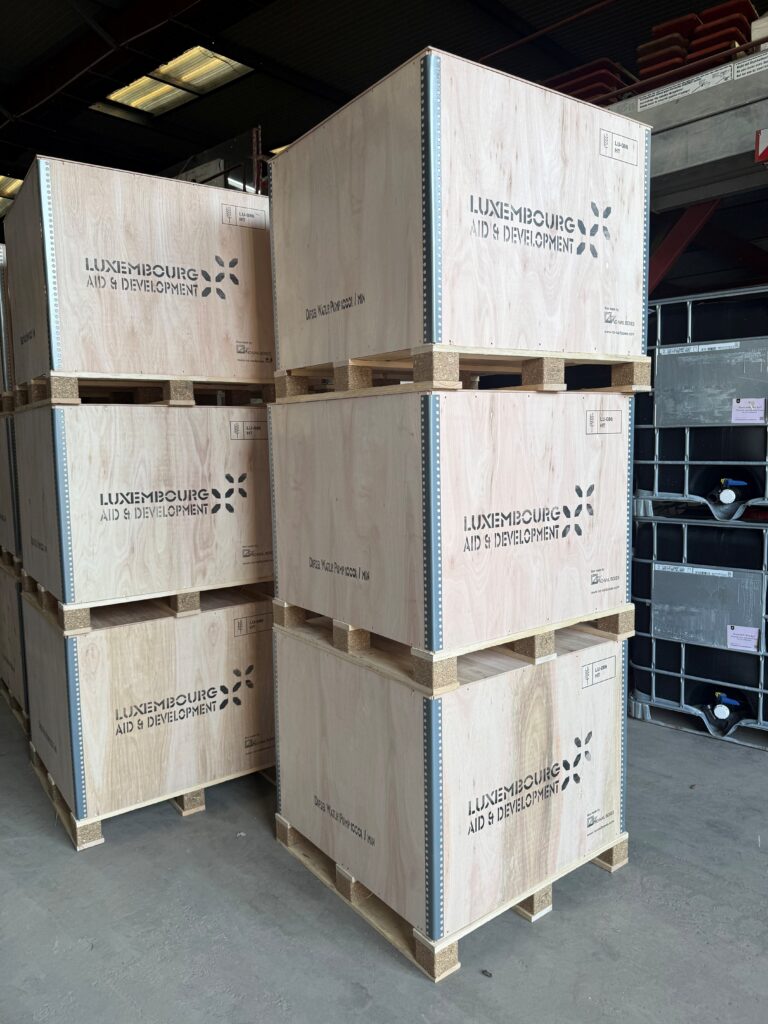
Luxembourg responded rapidly to Moldova’s request, providing two 80 kVA generators from its humanitarian stockpile through the UCPM. These generators were deployed to support emergency response teams operating along the Dniester, ensuring continuous power supply for critical equipment despite challenging field conditions. The generators strengthened Moldova’s ability to contain risks, protect drinking‑water sources, and safeguard ecosystems during a time of heightened uncertainty.