As the conflict in Darfur intensified throughout 2023, humanitarian operations inside Sudan faced unprecedented disruption. United Nations offices, warehouses, and guesthouses across the region were systematically destroyed or looted, forcing the evacuation of international staff and the relocation of national personnel. With the operational environment rendered inaccessible, UN agencies were no longer able to maintain coordination structures inside Sudan at a time when humanitarian needs were rapidly escalating.
By the end of the year, more than 400,000 refugees—an estimated 86 percent women and children—had crossed from Darfur into eastern Chad. In the absence of secure operational facilities inside Sudan, humanitarian actors urgently required a safe and functional coordination base on the Chadian side of the border to sustain cross‑border operations and support the emergency response.
Farchana as a Cross‑Border Operating Hub
The town of Farchana, located near the Sudan–Chad border, quickly emerged as the most viable location for such a base. Its proximity to refugee reception areas, accessibility for logistics, and strategic relevance for cross‑border coordination made it a natural focal point for humanitarian activities. In response, the International Organization for Migration (IOM) formally requested the establishment of a fully functional inter‑agency humanitarian hub capable of supporting multiple UN agencies and partners.
The request was initially submitted in July 2023 and further refined in October 2023, specifying the need for eight prefabricated units tailored to coordination, accommodation, and operational support. Due to severe logistical constraints—particularly limited airlift capacity into eastern Chad—the design had to balance functionality, scalability, and transport feasibility.
A Joint IHP Response Led by Luxembourg
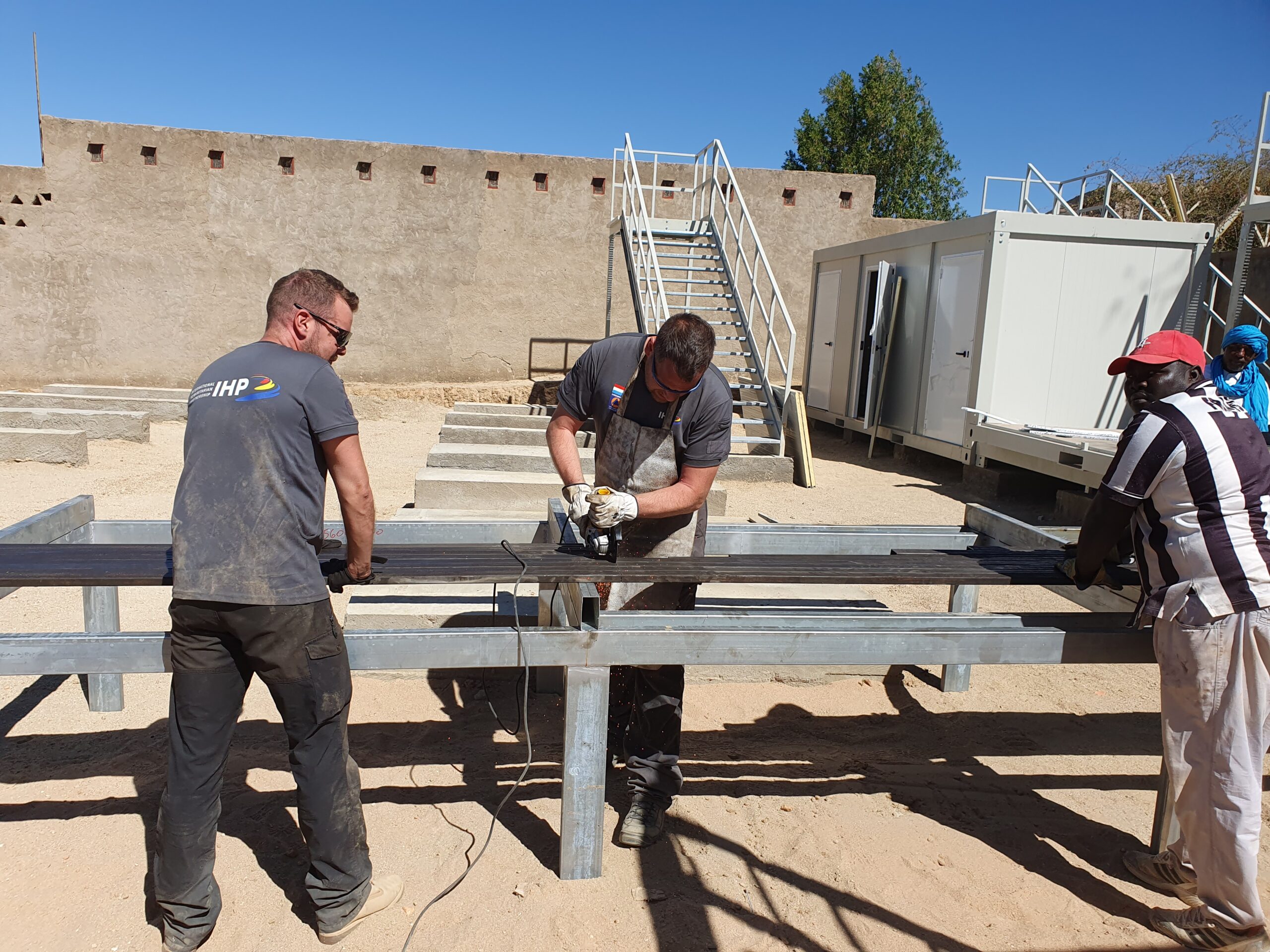
Within the framework of the International Humanitarian Partnership (IHP), a joint team led by Luxembourg, with Sweden’s Civil Contingencies Agency (MSB), was mobilised to respond to the request. In early 2024, the IHP team deployed to Farchana to construct a self‑sufficient inter‑agency basecamp capable of hosting up to 30 international and 30 national UN staff coordinating the Darfur emergency response.
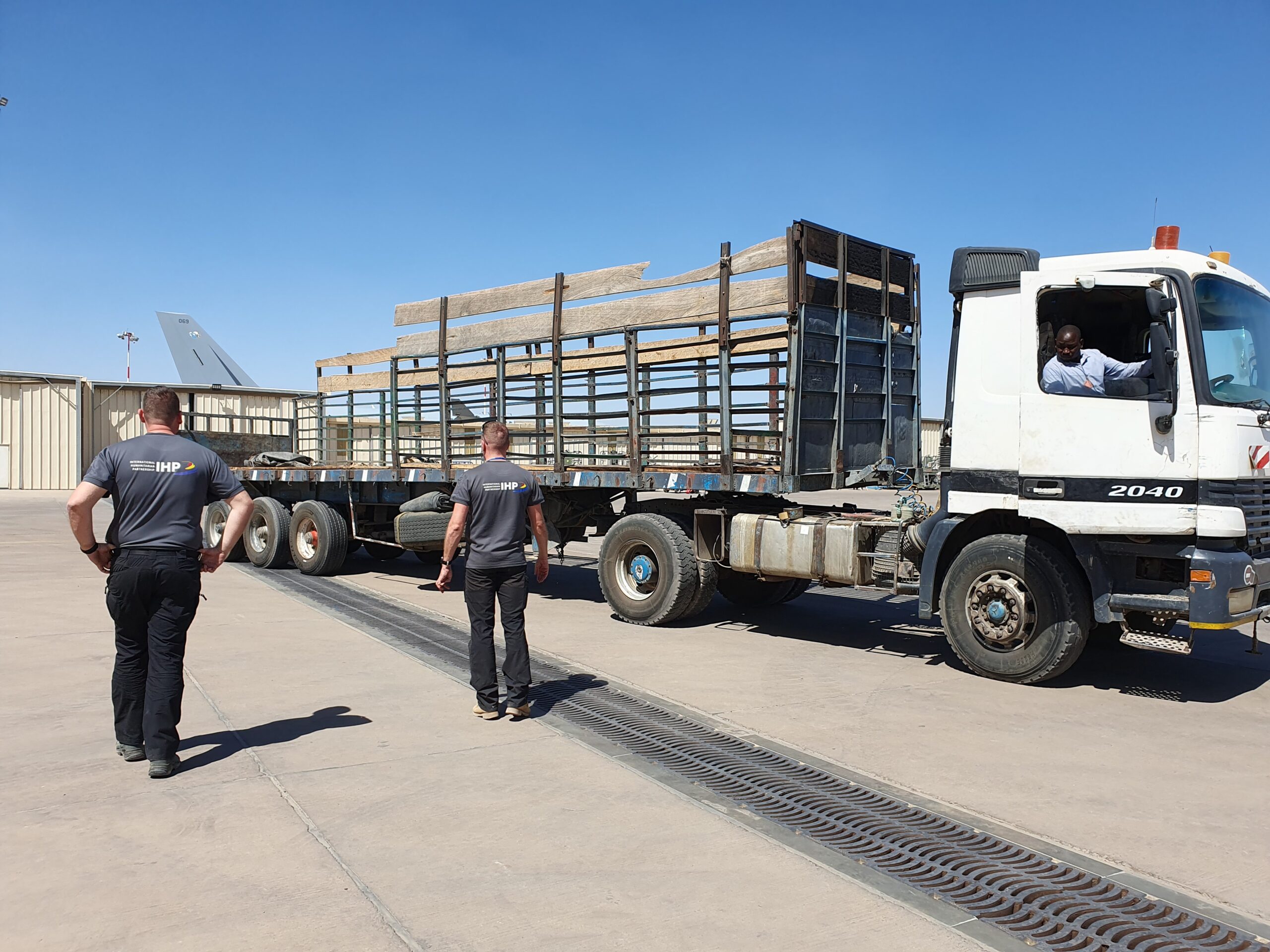
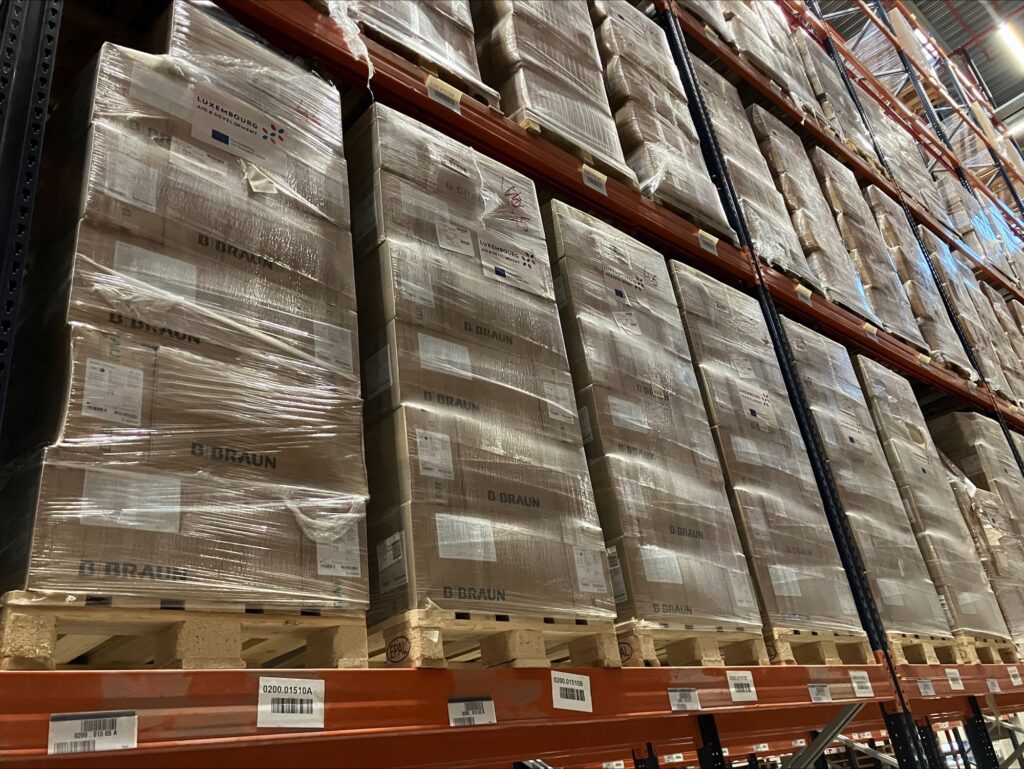
Despite significant logistical challenges—including only two available air rotations for transporting all materials and equipment—the team successfully implemented the project within the limited deployment window.
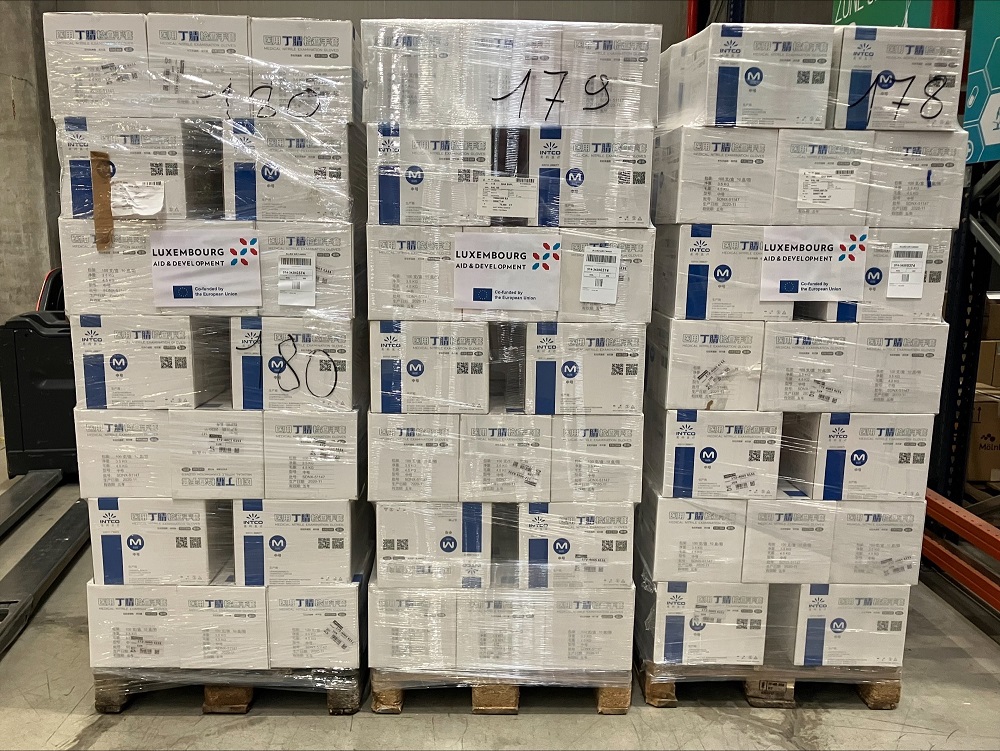
Luxembourg provided the core infrastructure and equipment, which included:
- Three conference‑style prefabricated office units
- Five two‑room accommodation units
- One three‑room accommodation unit, resulting in a total of 11 bedrooms
- A shade structure, kitchen area, and full furnishings
- Complete electrical infrastructure, including two IHP‑supplied generators (one serving as backup)
- Plumbing and essential utility connections, supplemented by locally procured tools, paint, and consumables
Construction, Handover, and Sustainability
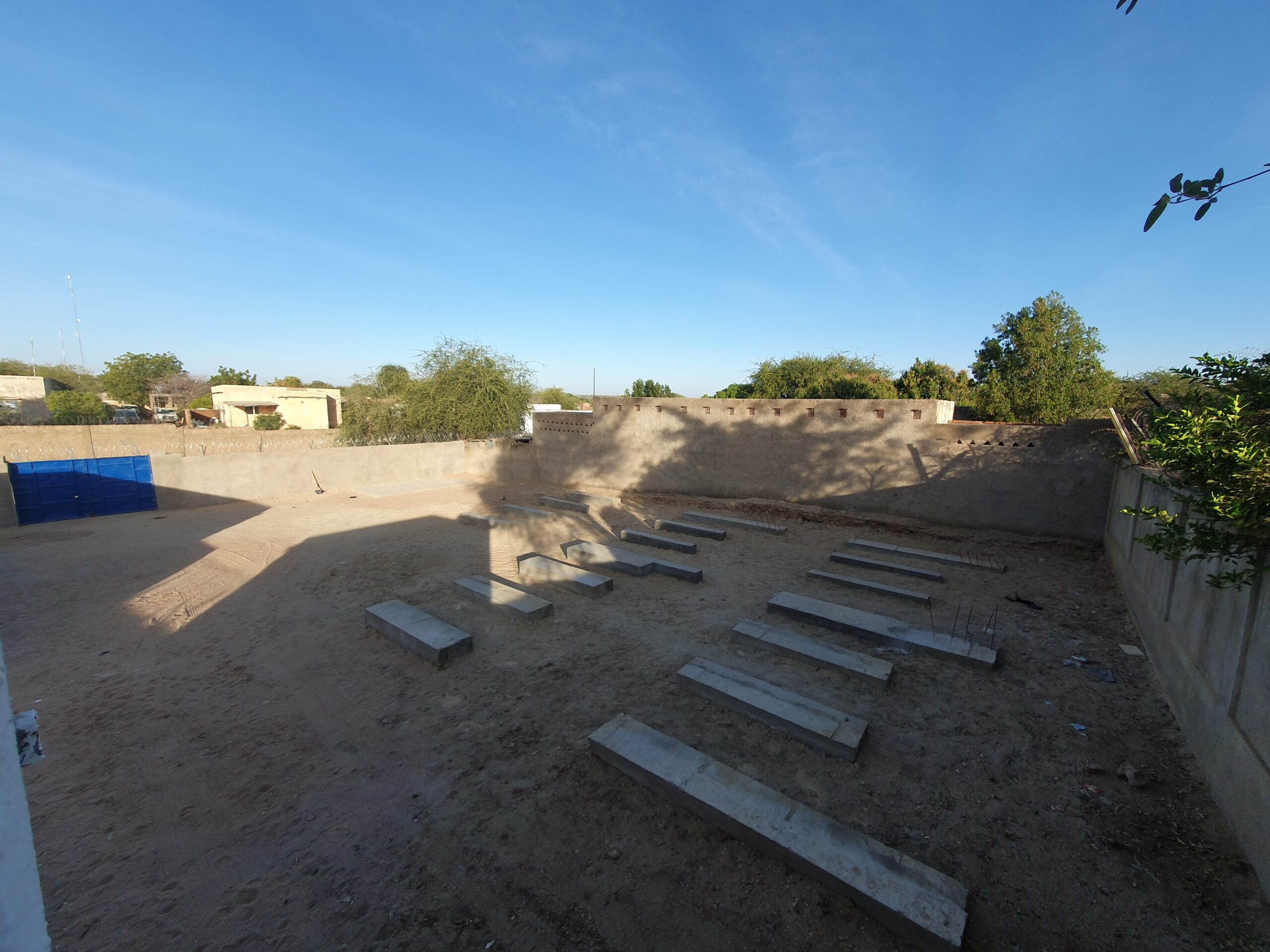
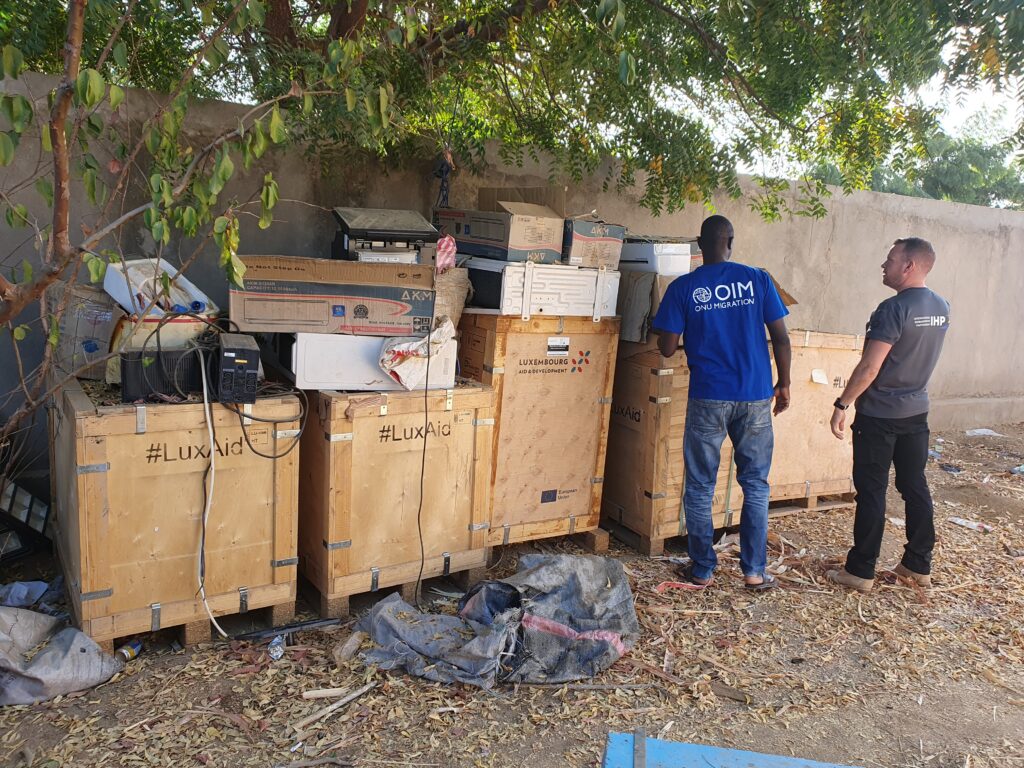
IOM prepared and levelled the site in advance of construction, ensuring rapid installation upon arrival of the IHP team. The joint team then carried out all assembly, installation, and finishing work, transforming the cleared site into a secure and functional compound within a constrained operational timeframe.
At the conclusion of the mission, a comprehensive handover was completed. This included maintenance guidance and safety training for local IOM staff, ensuring that the hub could be safely operated and maintained over time without external technical support. The compound was designed with future expansion in mind, allowing additional units or services to be added as operational demands evolve.
Strengthening the Humanitarian Footprint in Eastern Chad
The completed Farchana Inter‑Agency Hub became a secure, independent operating base supporting UN‑led cross‑border humanitarian operations into Sudan. With the exception of water supply and internet connectivity—provided by IOM—the camp was fully autonomous, an essential feature given the remote and volatile operating environment.
At a time of unprecedented displacement from Darfur, the hub significantly strengthened the humanitarian footprint in eastern Chad. By enabling sustained coordination, information‑sharing, and operational planning, the Farchana compound played a critical role in ensuring that humanitarian assistance could continue to reach affected populations despite the collapse of infrastructure and access inside Sudan.