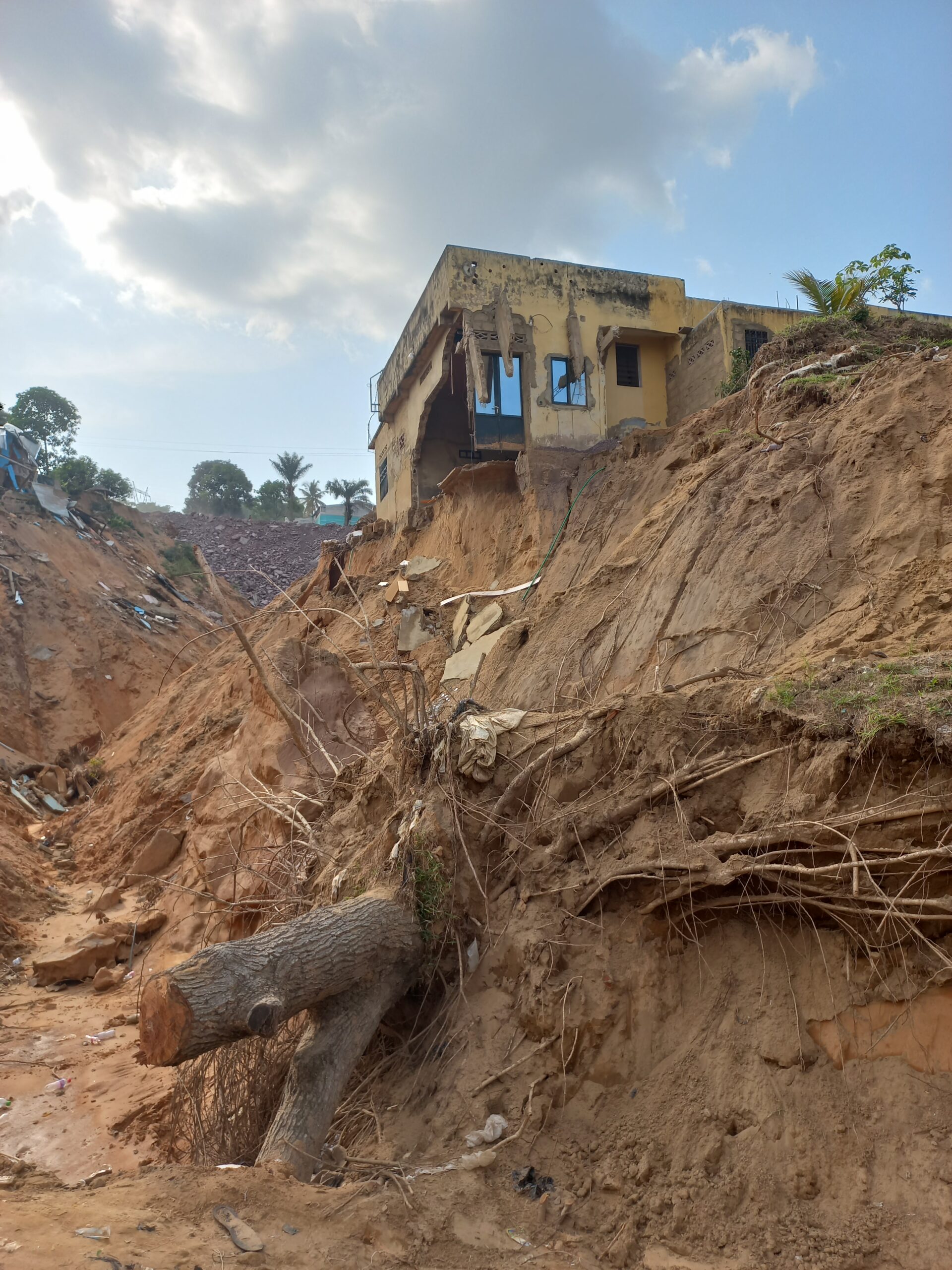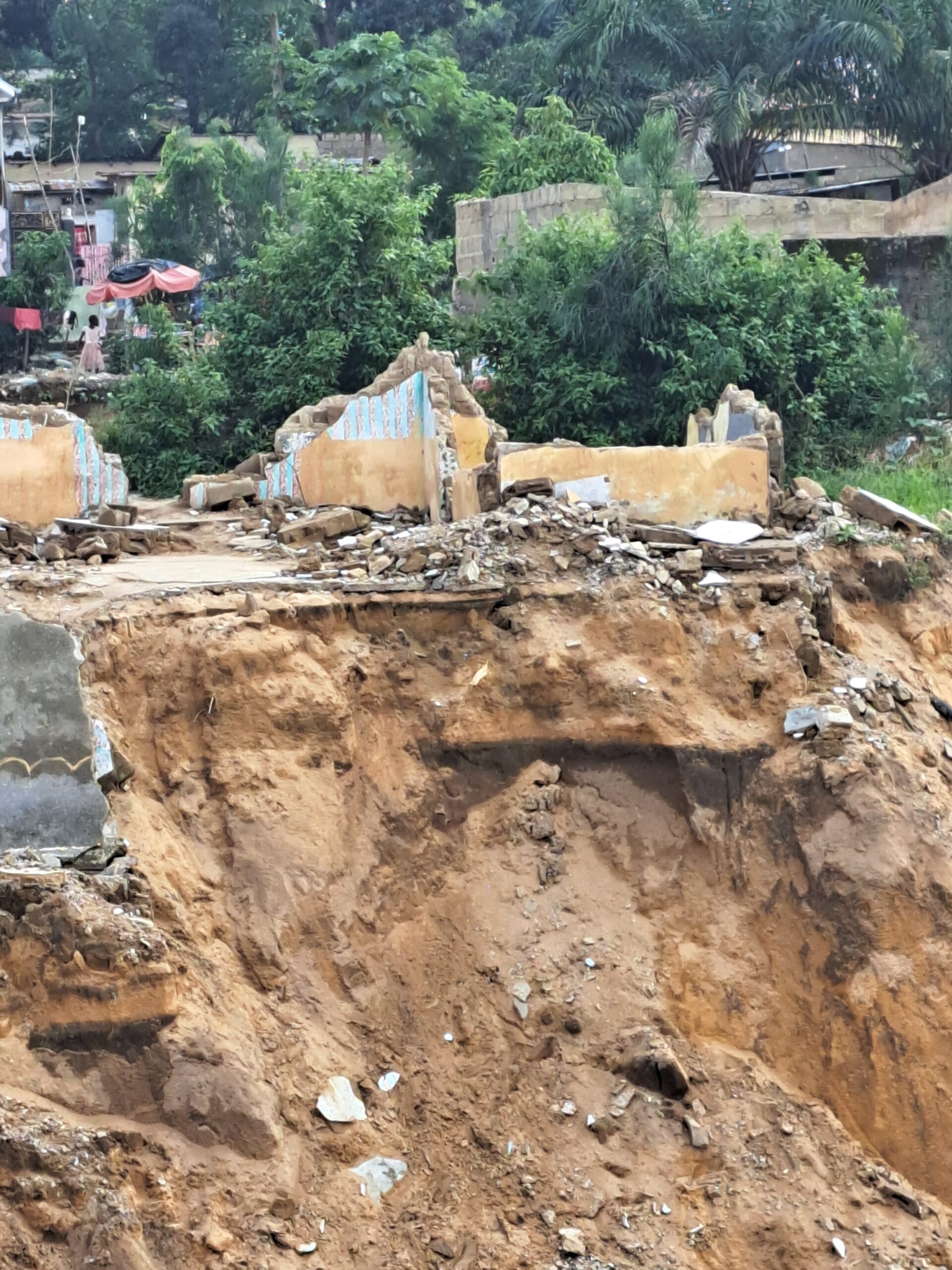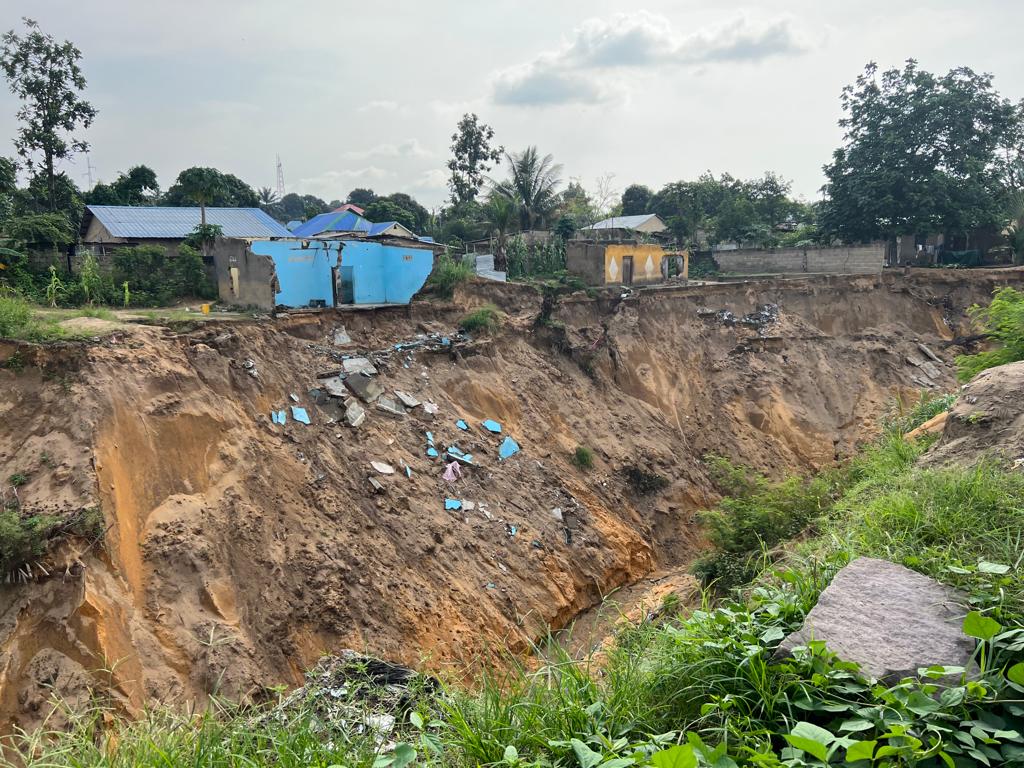
In December 2022, the Democratic Republic of the Congo (DRC) experienced severe flooding in the capital, Kinshasa, following intense overnight rainfall between 12 and 13 December. The disaster resulted in significant loss of life and widespread destruction, with more than 120 fatalities reported and tens of thousands of people affected.
Humanitarian Impact and Urgent Needs
The floods inundated nearly 39,000 homes and destroyed at least 282 houses, leaving many families homeless and without access to basic services. Entire communities were disrupted, particularly in vulnerable and densely populated areas such as the commune of Mont Ngafula, where approximately 30,000 people were reported in need of shelter.
In addition to flooding, landslides caused severe damage to infrastructure, including the destruction of a section of National Road 1 (RN1). This critical transport artery connects Kinshasa to Kongo Central province and is essential for the supply of food and goods to the capital. Its disruption had immediate implications for logistics, access, and market stability.
The humanitarian situation required urgent support across several sectors, including:
- Shelter for displaced families
- Water, Sanitation and Hygiene (WASH) services
- Healthcare and emergency medical support
- Food assistance and supply chain stabilisation
Deployment of UNDAC Support
In response to the crisis, international coordination mechanisms were activated to support the Government of the DRC in managing the emergency. Within this framework, a United Nations Disaster Assessment and Coordination (UNDAC) mission was deployed to assist national authorities with rapid assessments and coordination of the humanitarian response.
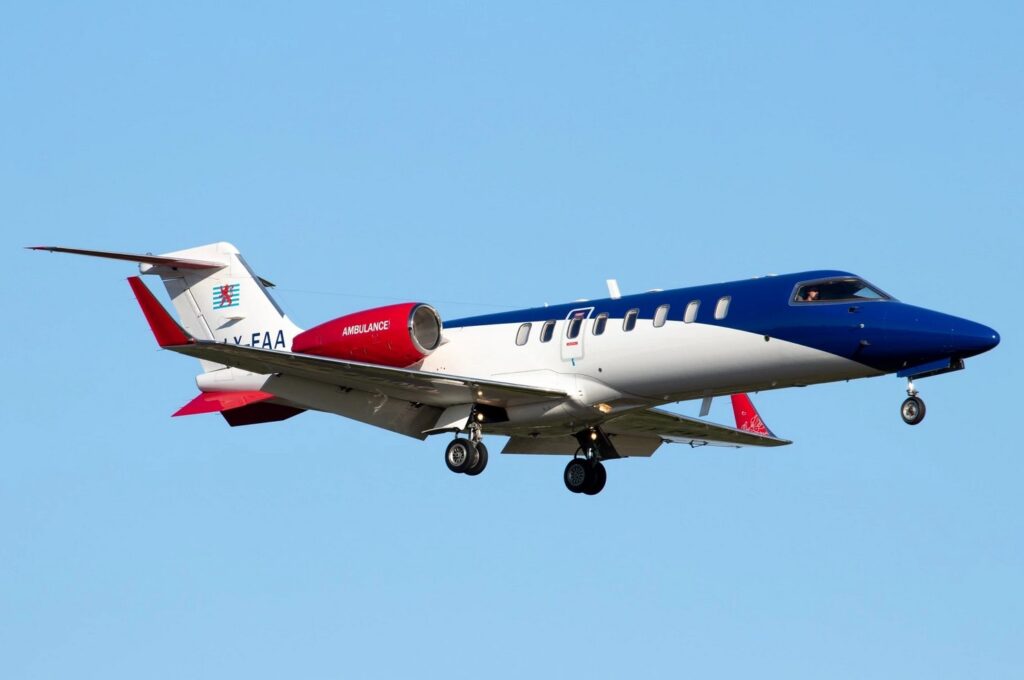
As part of this deployment, Luxembourg contributed by deploying one of its national UNDAC roster experts. The expert supported coordination efforts on the ground, working closely with national authorities, UN agencies, and humanitarian partners to strengthen situational awareness and facilitate an effective, multi‑sectoral response.
Supporting Coordination and Response Planning
The UNDAC mission played a key role in:
- Supporting rapid needs assessments in affected communes
- Facilitating coordination among humanitarian actors
- Assisting in prioritisation of response actions across sectors
- Strengthening information‑sharing between national and international partners
The presence of trained UNDAC experts ensured that response efforts were structured, aligned with international standards, and adapted to the evolving needs on the ground.